Heart Health essential: A complete guide to stronger heart
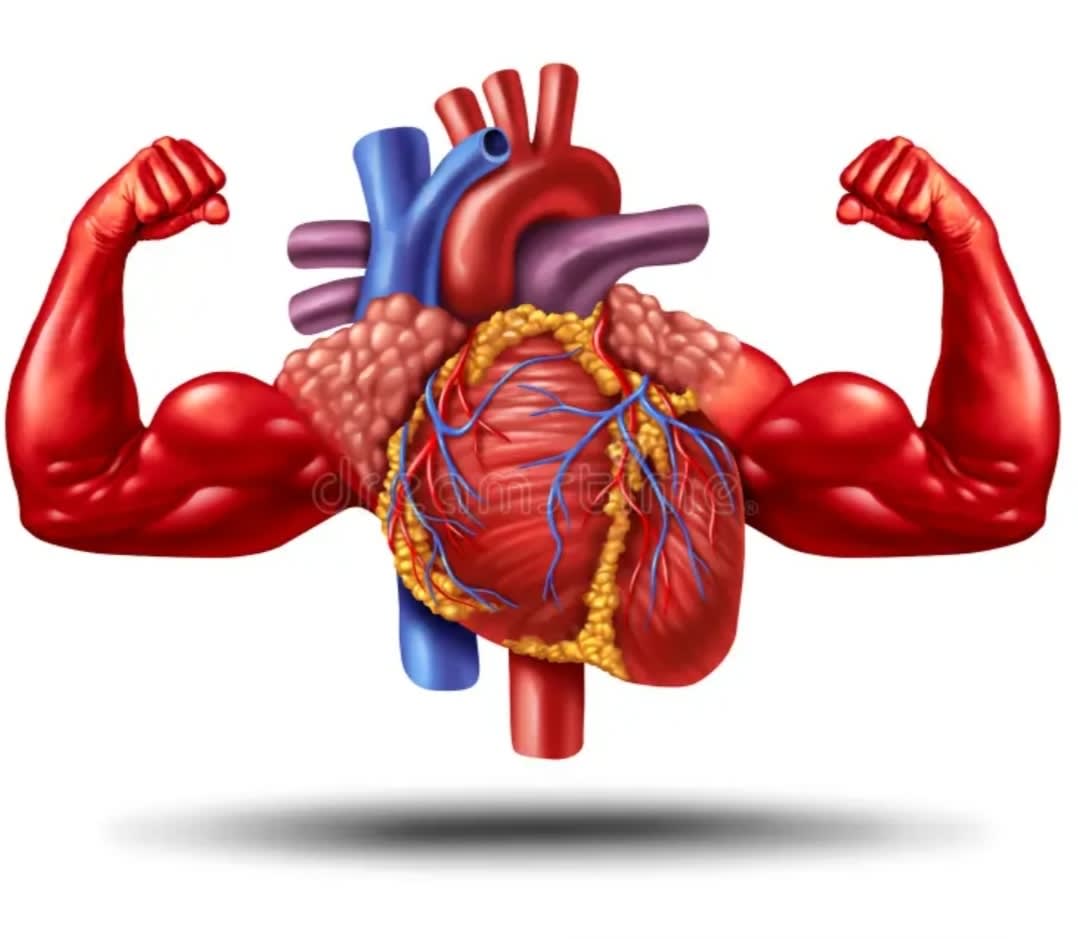
Here is a comprehensive yet clear guide to heart health essentials every individual should know, broken down into Understanding, Prevention, Warning Signs, and Action.
1. The Core Principle: Your Heart is a Muscle and a Pump
It needs oxygen-rich blood (delivered by its own coronary arteries), good fuel, and regular exercise to stay strong. Problems arise when this system is compromised.
2. Key Numbers to Know (The "Big 4")
These are the pillars of cardiovascular risk assessment. Know yours.
· Blood Pressure: Force of blood against artery walls.
· Goal: Typically < 120/80 mmHg.
· Why: High pressure damages arteries, strains the heart, and causes silent harm.
· Cholesterol: A fat (lipid) in your blood.
· Focus on: LDL ("Bad") Cholesterol – main source of plaque buildup.
· Goal: LDL ideally < 100 mg/dL (lower if high risk). Your doctor will set your personal target.
· Blood Sugar (Glucose):
· Key Test: HbA1c (average blood sugar over 3 months).
· Goal: < 5.7% (normal). 5.7-6.4% is prediabetes. High sugar damages blood vessels.
· Body Mass Index (BMI) & Waist Circumference:
· BMI: A rough gauge. 18.5-24.9 is generally healthy.
· Waist: More crucial. > 40 inches (men) or > 35 inches (women) indicates higher risk abdominal fat.
3. The Pillars of Prevention: What You Can Control
A. Nutrition (Eat for Your Arteries)
· What to LIMIT:
· Sodium (Salt): Drives up blood pressure. Read labels.
· Saturated & Trans Fats: Found in fried foods, fatty meats, pastries, processed snacks. Raise LDL.
· Added Sugars: Soda, candy, sweetened beverages.
· What to EMBRACE:
· Plants: Fruits, vegetables, legumes – full of fiber, vitamins, and antioxidants.
· Healthy Fats: Avocados, nuts, seeds, olive oil, fatty fish (like salmon – rich in Omega-3s).
· Fiber: Oats, beans, whole grains help lower cholesterol.
· Simple Rule: "Eat food, not too much, mostly plants." - Michael Pollan
B. Physical Activity (The Best Medicine)
· Aim for: At least 150 minutes of moderate-intensity exercise (brisk walking, cycling) per week. That's 30 mins, 5 days a week.
· Plus: Muscle-strengthening activities 2x/week.
· Key: Consistency over intensity. Move more, sit less.
C. Avoid Toxins
· Smoking/Vaping: The #1 most preventable risk factor. Damages artery lining, skyrockets blood pressure, reduces oxygen. Quitting is the single best thing you can do.
· Excessive Alcohol: Moderation is key. Max: 1 drink/day (women), 2 drinks/day (men).
D. Mental & Social Health
· Chronic Stress: Releases hormones that increase blood pressure and inflammation. Manage it with exercise, mindfulness, hobbies, nature.
· Sleep: Aim for 7-9 hours of quality sleep. Poor sleep is linked to hypertension and weight gain.
· Social Connection: Loneliness and isolation are real risk factors for heart disease. Nurture relationships.
4. Critical Warning Signs: Don't Ignore These
Heart Attacks and Strokes are TIME-SENSITIVE. Calling 911 is always the right move.
Heart Attack (Not always dramatic chest-clutching)
· Common: Chest discomfort (pressure, squeezing, fullness, pain) lasting > few minutes or that goes away and comes back.
· Other Signs (especially in women):
· Pain in jaw, neck, back, or stomach.
· Shortness of breath (with or without chest discomfort).
· Cold sweat, nausea, lightheadedness.
· Unexplained extreme fatigue.
Stroke (Remember F.A.S.T.)
· Face Drooping
· Arm Weakness
· Speech Difficulty (slurred, confused)
· Time to call 911
Other Red Flags: See a doctor for...
· New or worsening shortness of breath with activity or lying down.
· Palpitations (racing, irregular, pounding heartbeat).
· Swelling in legs/ankles (can indicate heart failure).
· Severe, unexplained fatigue.
5. Action Plan & Partnership
1. Know Your Family History: Risk increases if a parent/sibling had early heart disease (men <55, women <65).
2. See Your Doctor: Get your "Big 4" numbers checked regularly. Discuss your personal risk.
3. Ask Questions: "What is my target blood pressure/cholesterol/LDL?" "What is my personal risk score?" (e.g., ASCVD score).
4. Take Medication as Prescribed: If lifestyle changes aren't enough, statins, blood pressure meds, etc., are life-saving tools, not failures.
5. Make One Change at a Time: Swap soda for water. Take a 10-minute walk. Add one vegetable to dinner. Small, sustainable steps win.
The Bottom Line
Heart health is a lifelong journey, not a single destination. It's about consistent, daily choices that add up. You have tremendous power to influence your heart's future through the way you live, eat, move, and rest.
Start today. Know your numbers. Listen to your body.
Comments (0)
Sign in to comment.